Source Recyclable Tinplate Cigarette Packaging Box for Gifts, Toys, and Cosmetics
Compare 30 listings for recyclable tinplate cigarette packaging box options featuring eco-friendly designs and customization. Buyers can evaluate models with hinges, embossing, and various certifications from Dong Guan suppliers.
Key considerations
Products List










Comprehensive Sourcing Guide
Strategic Sourcing Guide for Recyclable Tinplate Cigarette Packaging Boxes
The global demand for sustainable packaging solutions has elevated the status of tinplate containers, particularly for premium tobacco and related goods. For procurement professionals seeking recyclable tinplate cigarette packaging boxes, the market offers a diverse array of options ranging from simple utility containers to highly customized luxury gift boxes. This guide synthesizes available product attributes, compliance frameworks, and technical specifications to assist buyers in navigating the sourcing landscape. The focus remains on objective analysis of product characteristics, ensuring that procurement decisions are grounded in verified data rather than speculative marketing claims.
Technical Specifications and Material Composition
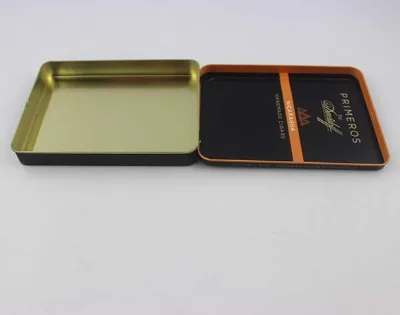
Understanding the physical and material properties of tinplate packaging is the first step in defining a successful procurement strategy. The core material for these containers is tinplate, a steel sheet coated with a thin layer of tin. This composition provides the necessary rigidity for protection while ensuring the material remains fully recyclable. In the current market, specific product models such as WM73-589 and WM73-595 demonstrate the versatility of this material. These models often feature a rectangular shape, which is standard for cigarette packaging due to its efficient space utilization in shipping and storage. However, cylindrical and other geometric variations also exist, such as the cylindrical models identified by specific model numbers like WM73-592.
Weight is a critical specification for logistics planning. Observed data indicates that product weights can vary significantly based on size and gauge. Some units are recorded with a weight of less than 0.5 kg, while others fall into the 0.5 to 1 kg range. This variance impacts freight costs and handling requirements. Buyers must verify the specific weight of the chosen model, as the "Single gross weight" for certain rectangular units is documented at 0.200 kg, whereas larger or more complex designs may exceed this threshold.
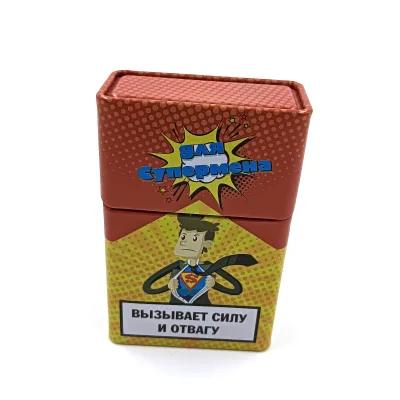
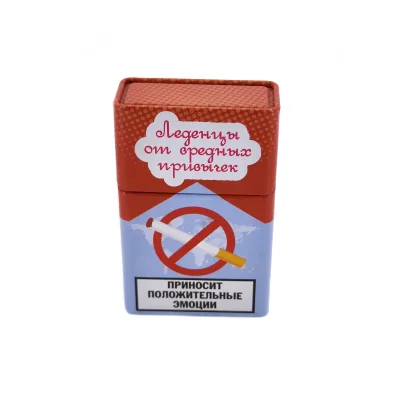
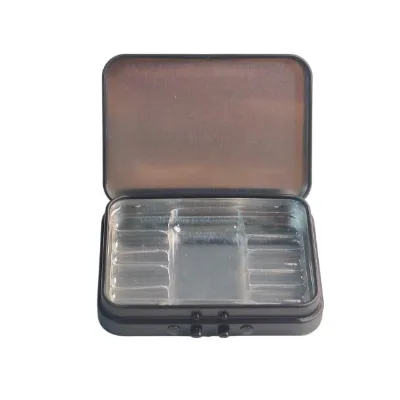
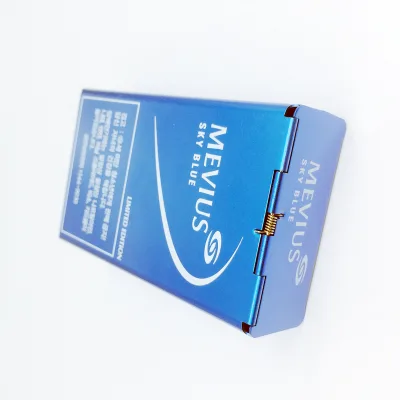
Surface handling and finishing techniques are equally important. Offset printing is a prevalent method for applying graphics, allowing for high-quality branding and regulatory information. Customization is a standard feature, with many suppliers offering custom logo printing and customized colors. The surface may also feature embossing, adding a tactile dimension to the packaging. For instance, specific rectangular tin boxes are noted to include embossing and hinges, while others, particularly those designed for tobacco, may be supplied without hinges to reduce cost or alter the opening mechanism. The presence of a metal clip is another observed feature, particularly in round, air-tight variants, though this is less common in standard rectangular cigarette boxes.
Compliance, Certification, and Safety Standards
In the realm of packaging, especially for products that may have indirect contact with consumables or are marketed as eco-friendly, compliance is non-negotiable. Buyers must verify that suppliers possess valid certifications that align with international trade requirements. The supply chain for tinplate packaging often includes certifications such as ISO, BSCI, Sedex, and BRC. These credentials indicate that the manufacturer adheres to quality management systems, ethical labor practices, and food safety standards. Additionally, some suppliers may hold CE certification, which is essential for products entering the European market.
Safety testing is another critical area. When packaging is intended for food, gifts, or toys, it must meet specific chemical and physical safety standards. Observed testing protocols include FDA, LFGB, EN71-3, and BPA-free assertions. These standards ensure that the tinplate and any inks or coatings used do not leach harmful substances. For cigarette packaging, while the primary function is containment, the materials used must still be safe for handling and storage. The "Eco-Friendly" and "Recyclable" attributes are frequently cited, supported by the use of recycled materials in the production process. However, buyers should treat these as product observations and request specific test reports to confirm that the recycling claims are substantiated by third-party verification.
It is important to note that while FSC certification is often discussed in the context of paper packaging, its direct application to tinplate is less common unless the tinplate is combined with paper inserts. Similarly, while ISO 9001 is a standard for quality management, buyers should verify the specific scope of the certification rather than assuming it covers all aspects of the product.
Cost Drivers and Economic Factors
The pricing of recyclable tinplate cigarette packaging boxes is influenced by several variables, including material costs, customization levels, and order volume. The observed price range in the market is extensive, spanning from $0.02 to $2,500 per unit or lot, depending on the scale and complexity of the order. This wide range reflects the difference between basic, unbranded containers and highly engineered, custom-designed luxury boxes.
Minimum Order Quantity (MOQ) is a significant cost driver. Suppliers typically set MOQs based on their production capacity and the complexity of the tooling required. Observed MOQs range from as low as 5 units for prototyping or small batches to as high as 200,000 units for mass production. A specific model, such as WM73-591, lists an MOQ of 3,000 pieces, which is a common threshold for custom printing and branding. Buyers must balance their budget against their inventory needs; ordering below the MOQ often results in a significantly higher unit price or may not be feasible at all.
Material structure and finishing also impact cost. The use of recycled materials and the application of complex printing techniques like offset printing with embossing can increase the base cost. Furthermore, the inclusion of additional features such as hinges, metal clips, or specific air-tight seals adds to the manufacturing complexity. Buyers should request detailed quotations that break down the cost of the base tinplate, the printing process, and any secondary packaging, such as the standard 1 piece per polybag in export cartons.
Typical Applications and Market Segments
Recyclable tinplate cigarette packaging boxes serve a variety of applications beyond simple storage. The primary use case is, of course, for tobacco products, where the packaging must protect the contents from moisture and physical damage. However, the market for these containers is broader. The same rectangular tin boxes are frequently utilized for gifts, toys, jewelry, cosmetics, and health care products. This versatility makes tinplate a preferred choice for brands looking to create a cohesive packaging line across different product categories.
The "Style" of the packaging often leans towards simplicity, which aligns with modern design trends that favor clean lines and minimalism. This style is particularly effective for luxury goods where the focus is on the product itself rather than ornate packaging. The "Medium-Sized Packaging" standard is common for these applications, providing a balance between protection and portability. Specific models like WM83-707-39 are designed for usage in jewelry and cosmetics, demonstrating the adaptability of the tinplate format.
For cigarette packaging specifically, the distinction between boxes with and without hinges is crucial. Boxes without hinges are often used for single-use or disposable packaging, while those with hinges are designed for reusability, appealing to consumers who value the durability and aesthetic of the container after the initial product is consumed. The "Cigar Tin Box" category, often featuring one-color printing, represents a niche segment where branding is more subdued but the protective qualities of the tinplate are paramount.
Supplier Evaluation and Sourcing Strategy
When evaluating potential suppliers, buyers should look beyond the basic product listing and assess the supplier's overall capability. The "Place of Origin" is a key factor, with many suppliers located in Dong Guan, Guangdong, China, a region known for its robust manufacturing infrastructure. This location often implies access to a well-developed supply chain for raw materials and logistics.
Buyers must verify the supplier's ability to handle customization. The "Custom Order: Accept" attribute indicates flexibility, but the extent of this customization varies. Some suppliers offer custom logo printing and colors, while others may have limitations on the number of colors or the complexity of the embossing. The "Logo Printing" feature is standard, but the quality of the print and the durability of the ink are critical. Buyers should request samples to verify that the logo printing is crisp and that the colors match the brand guidelines.
Certification verification is another essential step. Buyers should ask for current copies of ISO, BSCI, Sedex, and BRC certificates to ensure they are valid and cover the specific production facilities. It is also advisable to check if the supplier has experience with the specific standards relevant to the target market, such as FDA or LFGB for food-contact applications, even if the primary product is tobacco.
Quality Control and Long-Term Procurement
Quality control (QC) is vital to ensure that the tinplate boxes meet the required specifications. Buyers should establish clear acceptance criteria for dimensions, weight, and surface finish. The "Single package size" of 6x2.7x9.3 cm is a common dimension for rectangular units, but variations exist. Consistency in these dimensions is crucial for automated packaging lines.
Long-term procurement considerations include the reliability of the supply chain and the ability to scale production. The "Customization" availability suggests that suppliers can adapt to changing design needs, but buyers should confirm lead times for re-tooling or design changes. The "Eco-Friendly" and "Recyclable" features are increasingly important for corporate sustainability goals. Buyers should inquire about the specific percentage of recycled content in the tinplate and the recyclability of the inks and coatings used.
Finally, packaging integrity is paramount. The "Product Packing" standard of 1 piece per polybag in export cartons ensures that the boxes arrive in good condition. However, for high-value or sensitive applications, additional protective measures may be necessary. Buyers should also consider the "Feature" of durability, ensuring that the tinplate is thick enough to withstand stacking and transport without deformation. By focusing on these technical and operational details, buyers can secure a reliable supply of high-quality, recyclable tinplate cigarette packaging boxes that meet both functional and aesthetic requirements.
FAQs
What certifications do recyclable tinplate cigarette packaging boxes typically have?
These boxes typically hold ISO, BSCI, Sedex, and BRC certifications. Some models also include CE certification. Buyers should verify specific certificates for their target market compliance.
Can I order custom logo printing on these tinplate boxes?
Yes, custom logo printing is available with offset printing techniques. Suppliers accept customized colors and embossing for branding. This feature supports simple, modern design styles for various products.
What is the minimum order quantity for these packaging boxes?
The minimum order quantity ranges from 5 to 200,000 units depending on the model. Specific models like WM73-591 require 3,000 pieces. Buyers must check the exact MOQ for their selected design.
Which shapes are available for these recyclable tinplate boxes?
Rectangular and cylindrical shapes are available in the product range. Some rectangular boxes include hinges while others do not. Cylindrical variants may feature metal clips for air-tight sealing.
How heavy are the standard rectangular tinplate packaging boxes?
Weights vary between less than 0.5 kg and 0.5 to 1 kg per unit. Specific single gross weights can be as low as 0.200 kg. Logistics planning requires verifying the weight of the specific model.
What safety standards apply to these tinplate containers?
Products often meet FDA, LFGB, EN71-3, and BPA testing standards. These ensure safety for food, gifts, and toy usage. Buyers should request test reports to confirm material safety for their specific application.
Where are these tinplate boxes typically manufactured?
Most units originate from Dong Guan, Guangdong, China. This region offers a robust manufacturing infrastructure for tinplate products. Buyers should confirm the specific place of origin for their order.